whyever

Tag: artist

  • Laura Aguilar

    Laura Aguilar

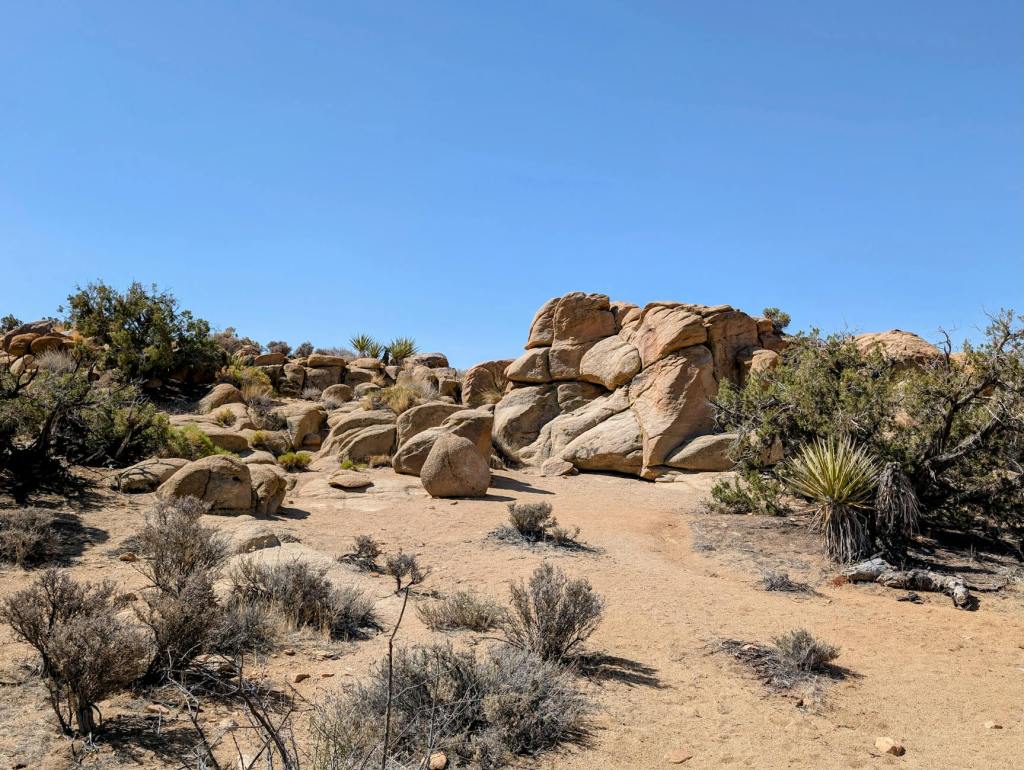
    Photo by Brett Buskirk on Pexels.com

    Please view Laura Aguilar’s “Nature Self-Portrait #12” (1996, Gelatin silver print, 16 x 20 in.).

    The first time I saw Aguilar’s photography, I was living in the Sonoran Desert. I imagined the sand she place her body onto would either be scorching hot or icy cold and never comfortable. Before I knew anything about her, I wondered what drove Aguilar to the extreme of putting the sensitivity of her skin at the mercy of the desert. I liked to joke that the desert was either blazing or blustering, rarely just right. Maybe that’s a me thing, as someone who likes to always have a bottle of water at hand, maybe I’ll always feel a sense of life-threatening danger in a desert.

    The black and white tones of Aguilar’s photos and the high contrast give me a sense of stillness and brings clarity to an environment that can sink into a beige wash. Because I’ve spent some time living and driving through the southwest, the image brings back the sounds, smells, sights, and feelings of it. Her work encapsulates the alone-ness that vastness can allow you to feel. It’s both terrifying and gratifying. It’s no wonder so much mythology is made of deserts. It’s an environment that brings you close to death, our ultimate freedom.

    And yet, the desert still teems with life. Lizards and ants crawl over the ground. The biggest harvester ants I’ve ever seen patrol their blocks. They are the real owners of the land, underneath all of our constructions. In the sky are hawks and ravens and, where I Iived, a multitude of migrating hummingbirds. A mountain lion followed a wash into the city where it met an untimely (and illegal) death. Here I am categorizing my experiences and reliving in the past. How much one photograph can dregde up!
  • Dorothy Hood

    Dorothy Hood

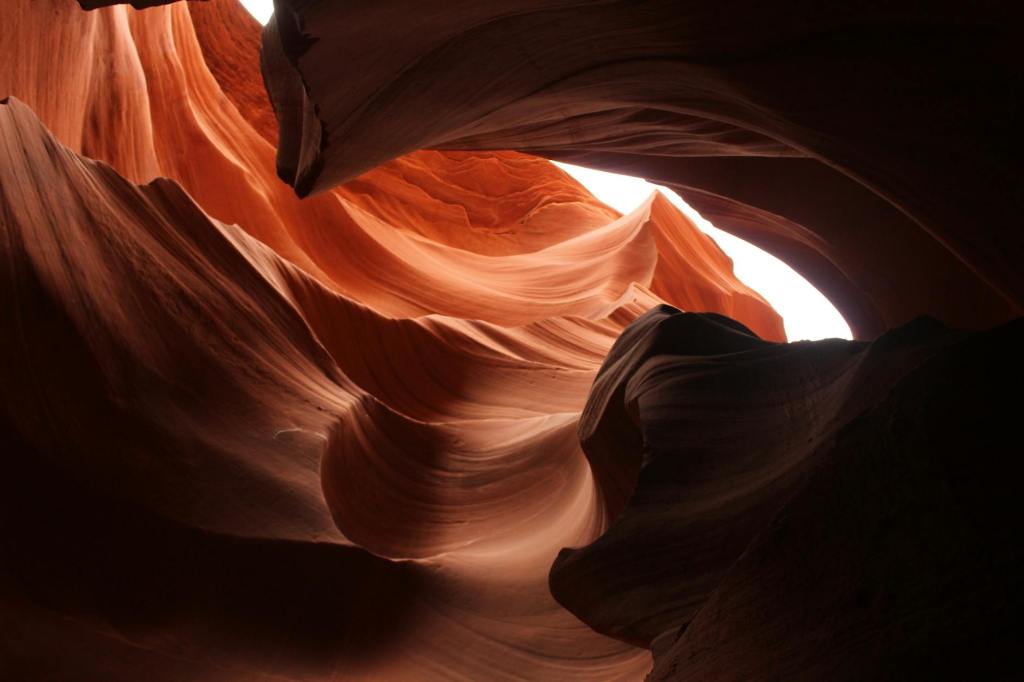
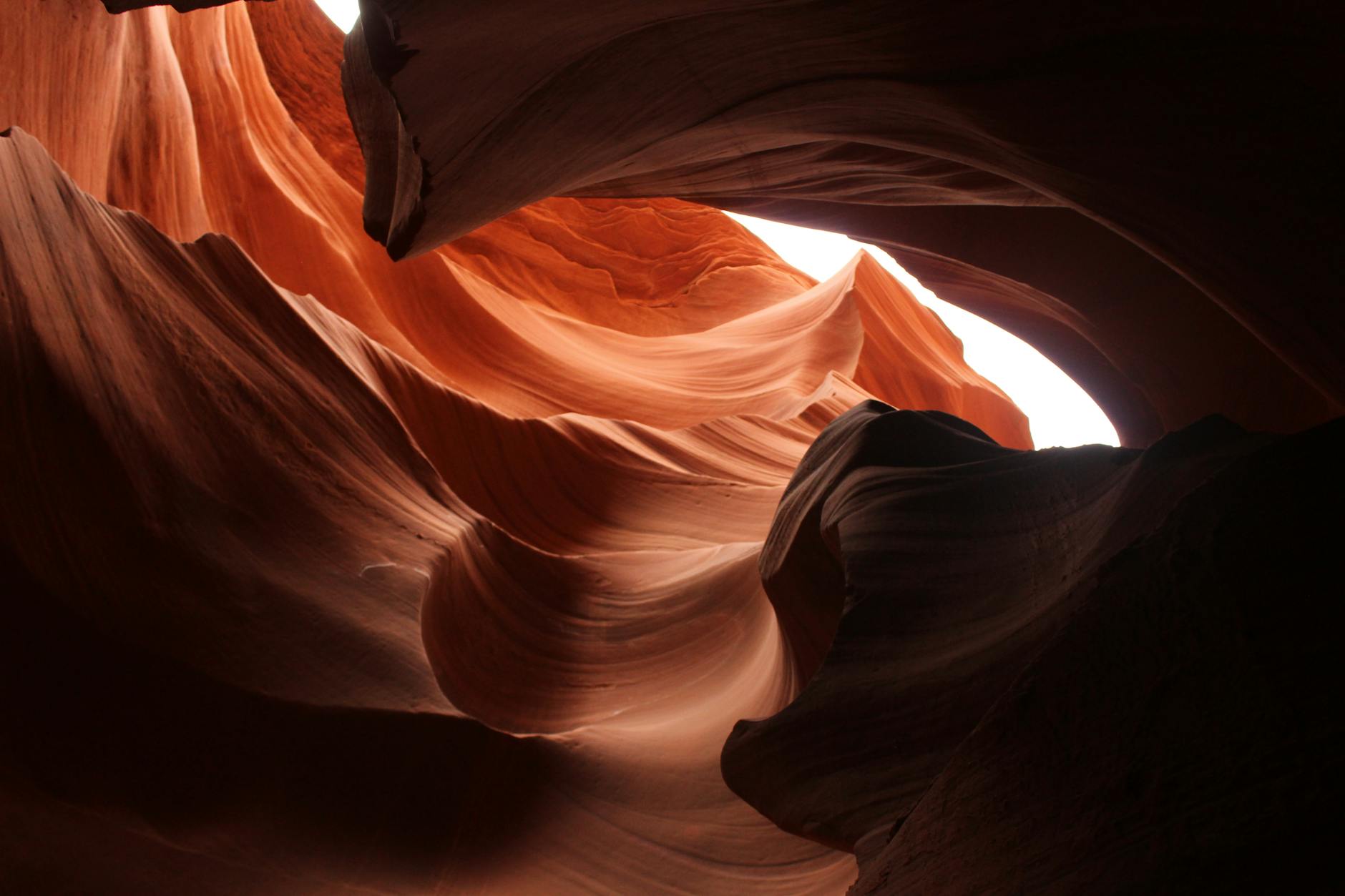
    The rocky sides of a cayon undulate. The canyon in the foreground is dark while the light illuminated the rock in the background making like an abstract design.
    Photo by Leigh Patrick on Pexels.com

    Please view Dorothy Hood’s painting, Haiti, at the Museum of Fine Arts Houston. Because I don’t have permission, I’m linking to the work of art instead of copying it here.

    I visited the MFAH on a free admission day which meant that there were beautiful groups (hordes!) of children everywhere. Yes, I witnessed some touching, but more importantly I overheard people asking the kids what they thought and saw. Honestly, even if, as some certainly were, some folks were only there to have a large, air conditioned place where they could take their children for the day — so be it. Those children will see new things, imaginative things, beautiful and ugly things alike.

    Dorothy Hood’s Haiti was alone on a wall. It was around a corner from a gallery space with another artwork on the way to the restroom. There was a couch in the corner where a couple were watching something on their phones. At first, I might not give the work near the restroom time. It feels too much like seeing art at Nordstrom or Neiman Marcus. But gradually this painting’s gloriously large size drew me in.

    Before I read the wall text, it reminded me immediately of the Sonoran Desert. Of the canyons and mountains and swathes of rock. Once I read the text and title, the black abyss took the representation of the 150 million franc independence debt Haiti was forced to pay France.

    Indeed, the painting made me feel small and insignificant. And today, as the news always brings anguishing news, I think of this abyss that threatens to swallow the rest of this painting. But it does not. It is hemmed in by rock and valleys, by cliffs, and a bit of sky.